Legal — UK immigration
Zam Legal Associates
A clear, credible website for an IAA-regulated UK immigration practice — services, fees and consultations in one calm, professional place.
The same engineers who built it, maintaining and extending it.
Monthly retainer for teams that want ongoing access to the same development team — for updates, new features, performance work, and technical support on their web platform.
(01) The short answer
Ongoing web development support is a structured monthly retainer that gives your team access to the same developers who built your site or application — for updates, new pages, feature additions, performance improvements, and technical troubleshooting. Cortexley's retainers are scoped to a defined monthly hour block, with clear scope and priority access without project-rate overhead.
(02) Related services
(03) What's included
(04) How the engagement runs
We clarify scope, content model, and integration points before estimating.
Route structure, data model, and CMS schema defined up front to avoid rework.
Component-based development with staging environments from week one.
Accessibility pass, performance testing, and a supervised go-live.
Post-launch analytics review and a backlog of prioritized improvements.
(05) Proof
A clear, credible website for an IAA-regulated UK immigration practice — services, fees and consultations in one calm, professional place.
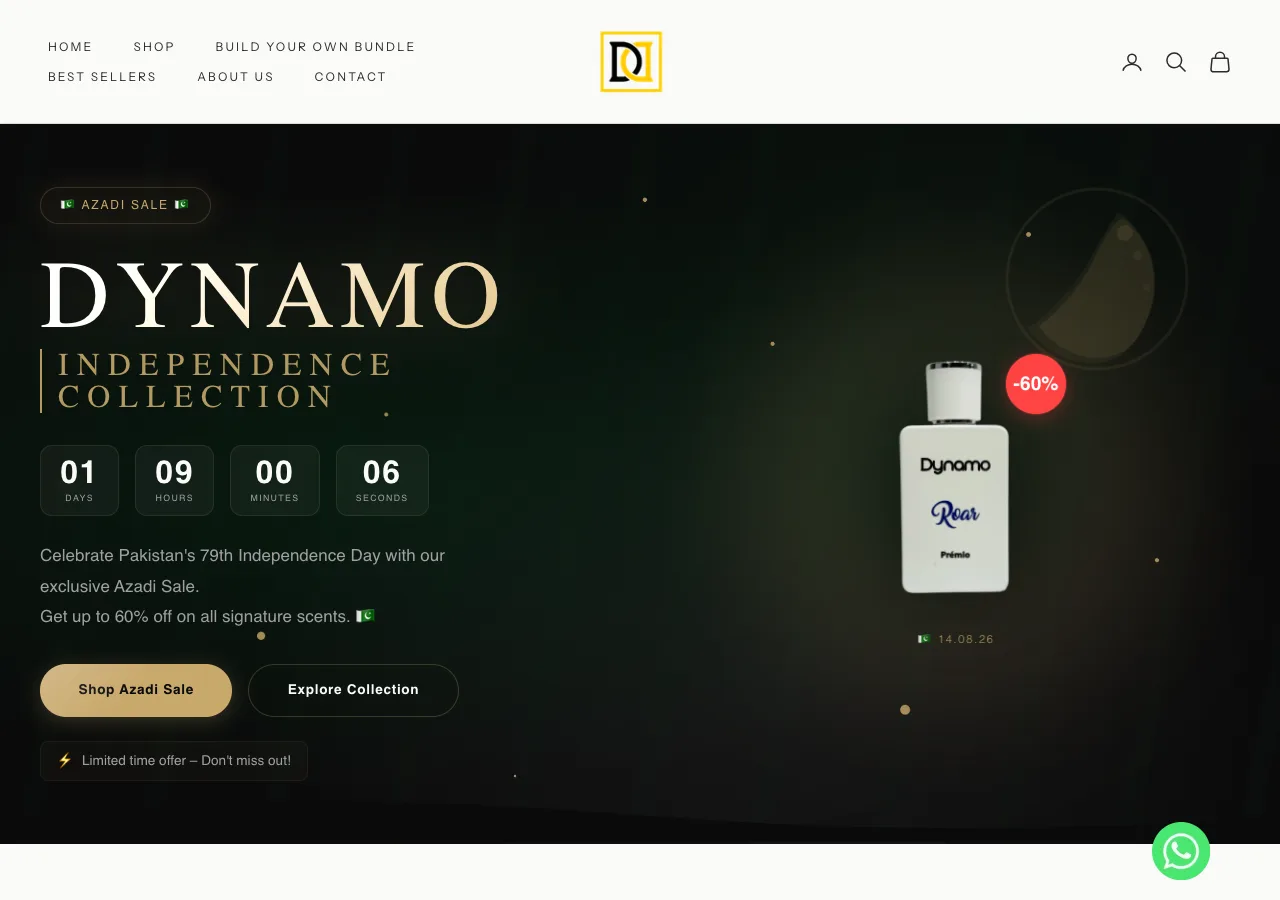
An editorial, magazine-style Shopify storefront for a luxury fragrance house — custom Horizon theme, no sliders, no generic sections.
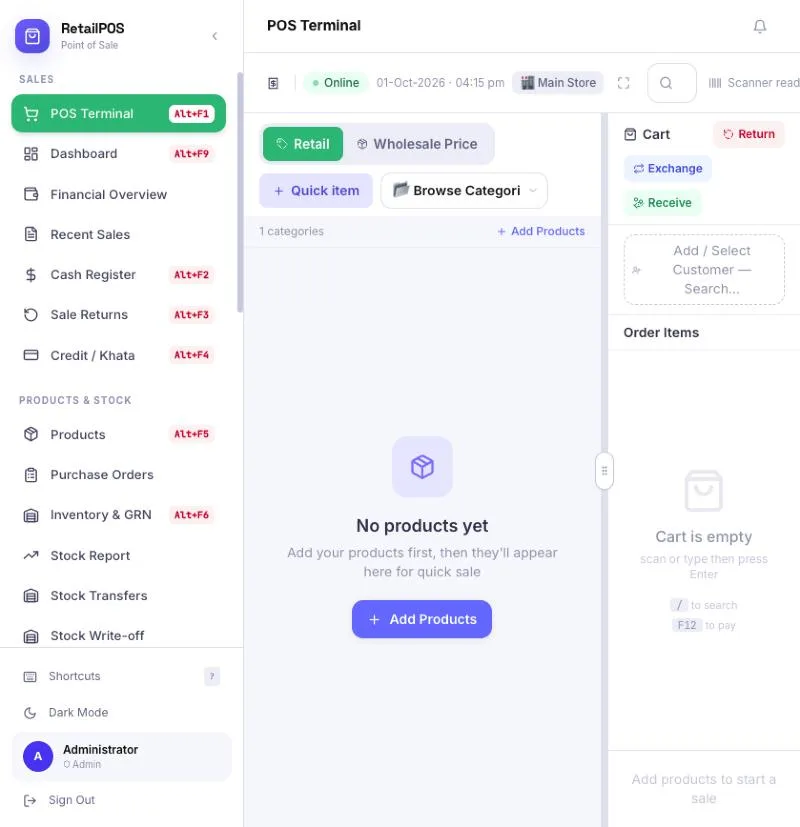
An offline-first, multi-industry POS desktop app with eight industry presets, double-entry accounting and 16+ exportable reports.
(06) From the blog
Most agency selection advice focuses on portfolios and pricing. The questions that reveal whether a team will actually deliver are different.
Read article →The difference between a software partner that ships what you need and one that ships what you said isn't obvious from a proposal. Here's what to look for.
Read article →The honest answer: $500 to $150,000+ depending on what you're actually building. Here's a breakdown by project type — with the real variables that move the number.
Read article →(07) Questions
A defined block of development hours per month — typically 10, 20, or 40 hours — used for whatever the site or application needs: new pages, feature work, performance improvements, or bug fixes. Unused hours roll over to the following month up to a defined cap. Production issues are prioritised within the same business day.
Our retainers run on a 3-month minimum, renewable monthly after that. This gives the team enough context on your codebase to work efficiently, and gives you enough runway to evaluate whether the engagement is delivering value.
Additional hours above the monthly block are available at the retainer rate, not the ad-hoc project rate, provided we have capacity. We flag this at the start of the month rather than at the end.
Not necessarily. For very infrequent, low-complexity updates, a per-task arrangement works fine. A retainer makes sense when you have a regular flow of work — at least a few hours per month — and want consistent priority access and a team that understands your codebase without re-onboarding each time.
(08) Start here
A founder reads every brief and replies within one business day with honest next steps and a fixed-price proposal.
sales@cortexley.com